1933

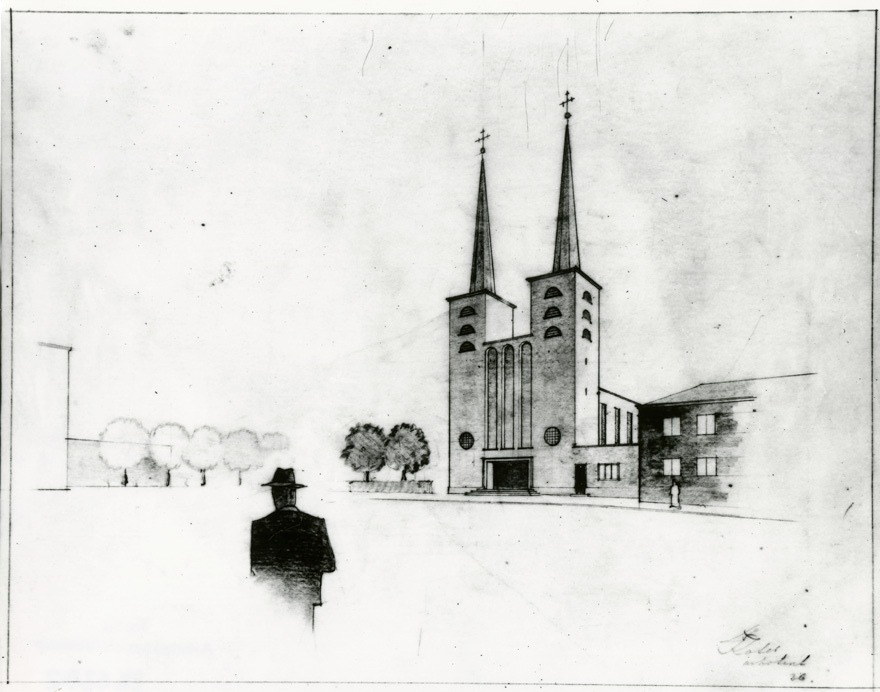
On May 26, the Pauluse congregation purchased two plots of land on the edge of Vabaduse Square to build a church there. The first two-tower church design was sketched out that same year by engineer Eduard Kõomägi.

The first stones were brought in November by brothers Johannes and August Treimann.

1935

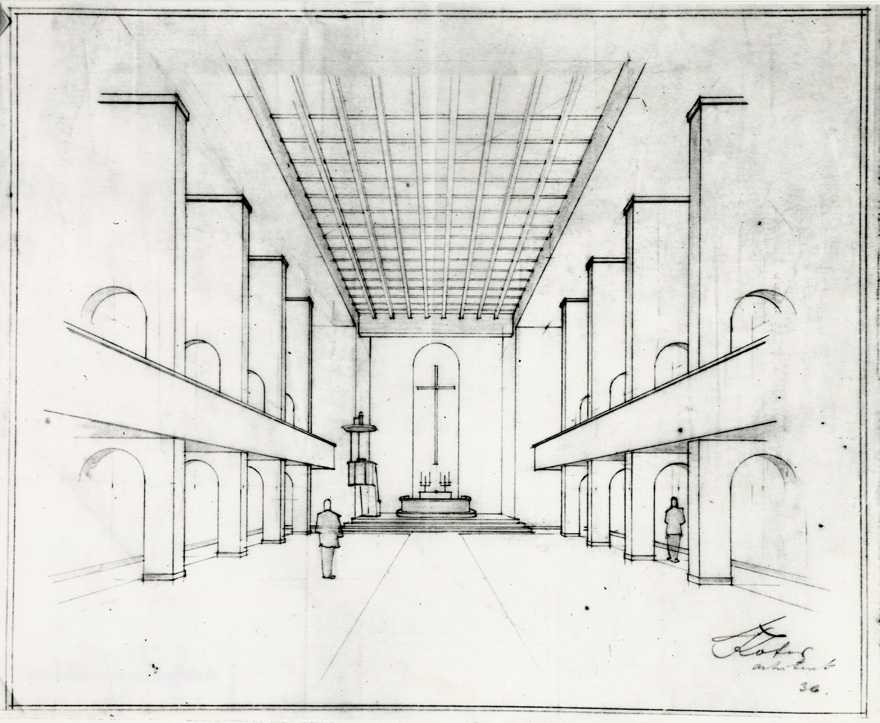
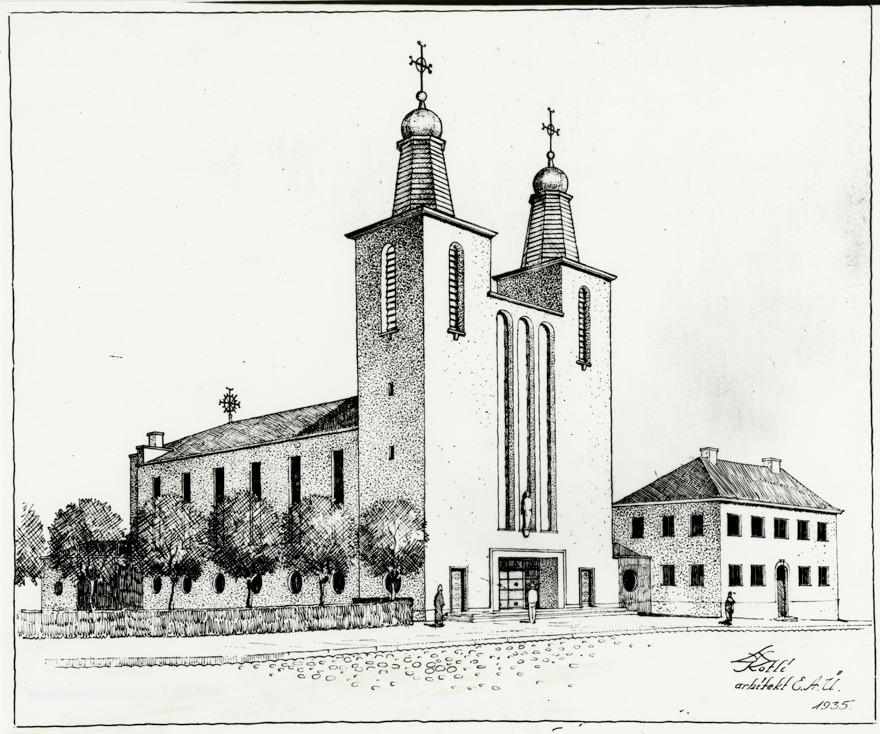
Members and friends of the congregation delivered a large number of foundation stones to the construction site. By this time, architect Alar Kotli had completed the first drawings of the future church.

1936

The final project was approved in Rakvere on May 25 and at the Ministry of Roads on June 4.
 

1937

On March 14, it was decided that the church should be erected as a freedom church on the occasion of the 20th anniversary of the Republic of Estonia. Construction began, and on May 24, the parish council entrusted the foundation to master builder Leonhard Köbas.
On July 3, Bishop Hugo Bernhard Rahamägi consecrated the cornerstone of Rakvere Paulus Church. By autumn, the foundation walls were ready, but construction stopped due to a lack of funds.
 

1939

Donations continued to be collected. In the summer, construction resumed, once again overseen by Leonhard Köbas. The endeavor received support from the Government of the Republic, the city of Rakvere, and the EELK Consistory.
 
By August, a limestone wall measuring one meter had already been laid on the foundation. Inside, the walls were lined with bricks to make the church drier and warmer. Additionally, the ceiling of the central heating room was poured with reinforced concrete.
 
On November 16, the builder handed over the work. However, since tin prices had risen sharply during the troubled times, the church's roof was temporarily covered with cardboard.
Next, the manufacture of doors, windows, and interior work was undertaken. One window was donated by the Rakvere Kolmainu Church.

1940

Since Bishop Johan Kõpp could not leave Tallinn on Victory Day, he consecrated the Rakvere Paulus Church a week earlier, on June 16.
 
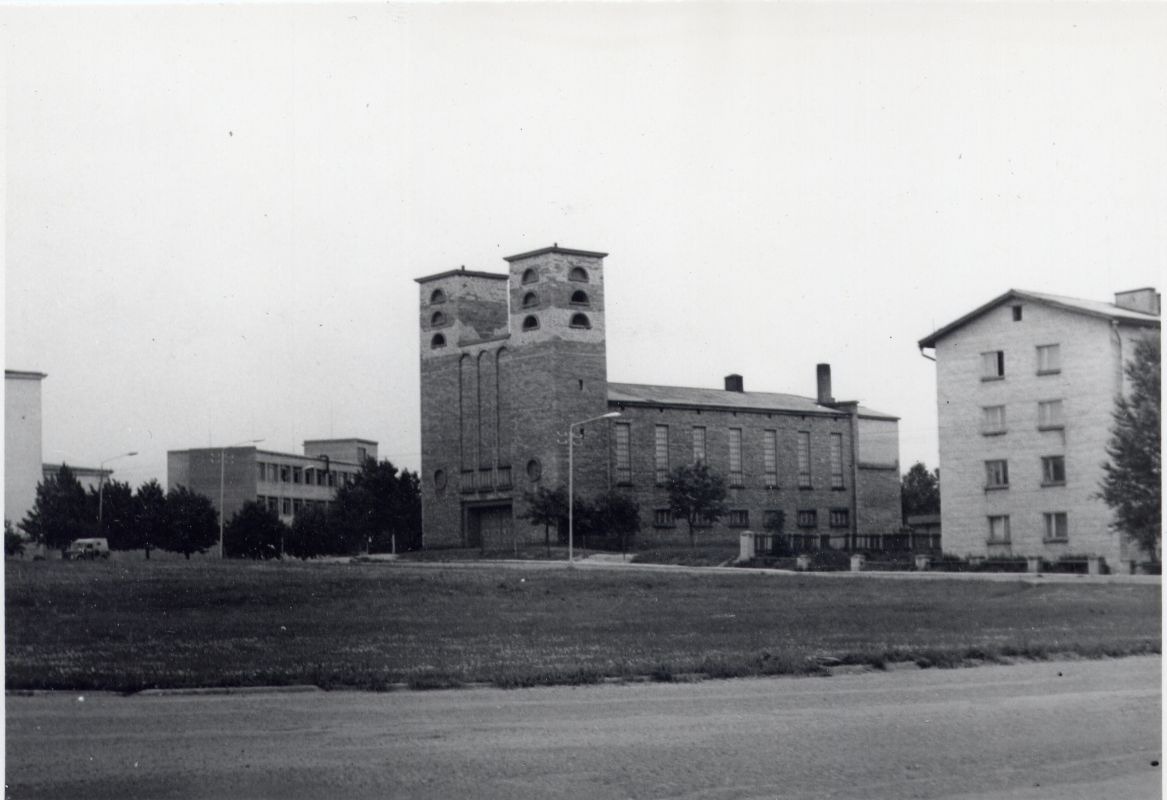
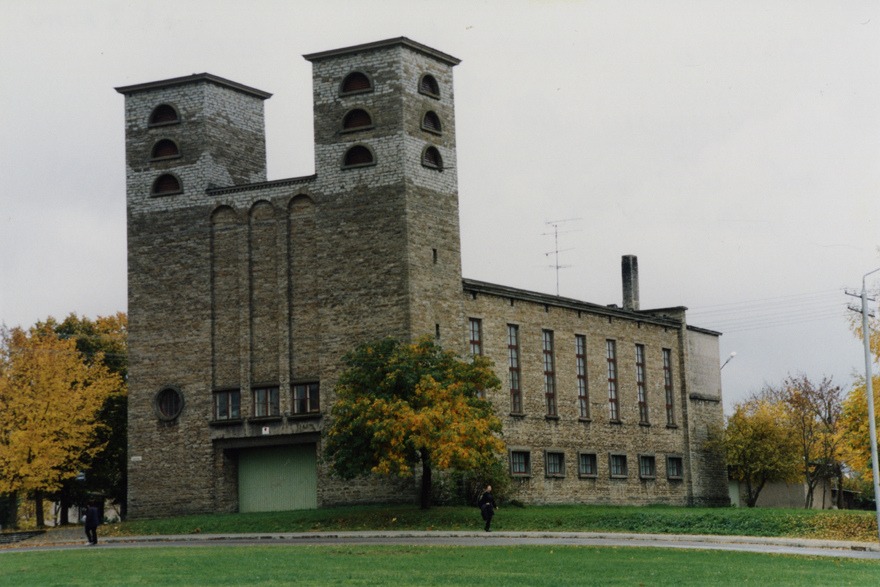
The construction of the tower spires and chancel wing by the square was postponed due to a lack of funds, and there was no time to plaster the church. These works were not completed.
 
On the morning of the consecration day, at 10 o’clock, the service began on Posti Street, where the congregation had been together for nine years. Then the procession moved to the new church. As the procession approached, the choir's sounds began to be heard from the tower: “Oh, let us take God from our mouths, and now praise him from our hearts.” Architect Alar Kotli was waiting in front of the church door, handing over the key with good wishes.
 
The next day after the consecration of the Rakvere Paulus Freedom Church, 90,000 Red Army soldiers crossed the Estonian border. The Soviet occupation began. Despite the difficult times, the congregation managed economically and was also able to pay off the construction debt.
1950's

By decision of the Rakvere City Executive Committee, St. Paul's Church was converted into a gymnasium. In 1958–1959, a false ceiling was built in the church to the height of the balcony.

1990's

After Estonia regained its independence, the building was returned to the Rakvere Kolmainu Parish.

2008

Since 2008, the city of Rakvere has invested nearly a million euros in the construction of the music house (including an international architectural competition, geodetic and structural basic surveys, preparation of a preliminary design, a main design with a building permit, including a construction estimate, an expert assessment of the main design, and follow-up inspection, etc.).

2016

The city of Rakvere purchased St. Paul's Church from the Kolmainu Parish.

2018

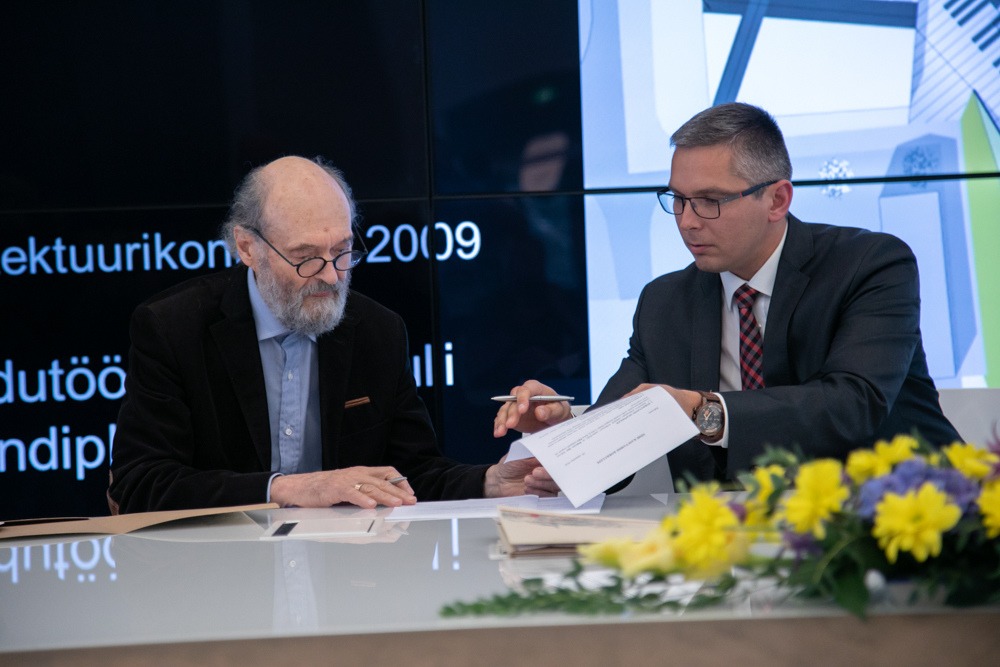
The Rakvere City Government held a ceremonial signing ceremony for the design contract for the Arvo Pärt Concert Hall.

The procurement contract for the design of the Music Hall was signed by Rakvere Mayor Marko Torm with two private companies that submitted a joint bid – Studio KAH and AKK Projekt.

Maestro Arvo Pärt was also present, who gave permission for the concert hall to use his name.

2023

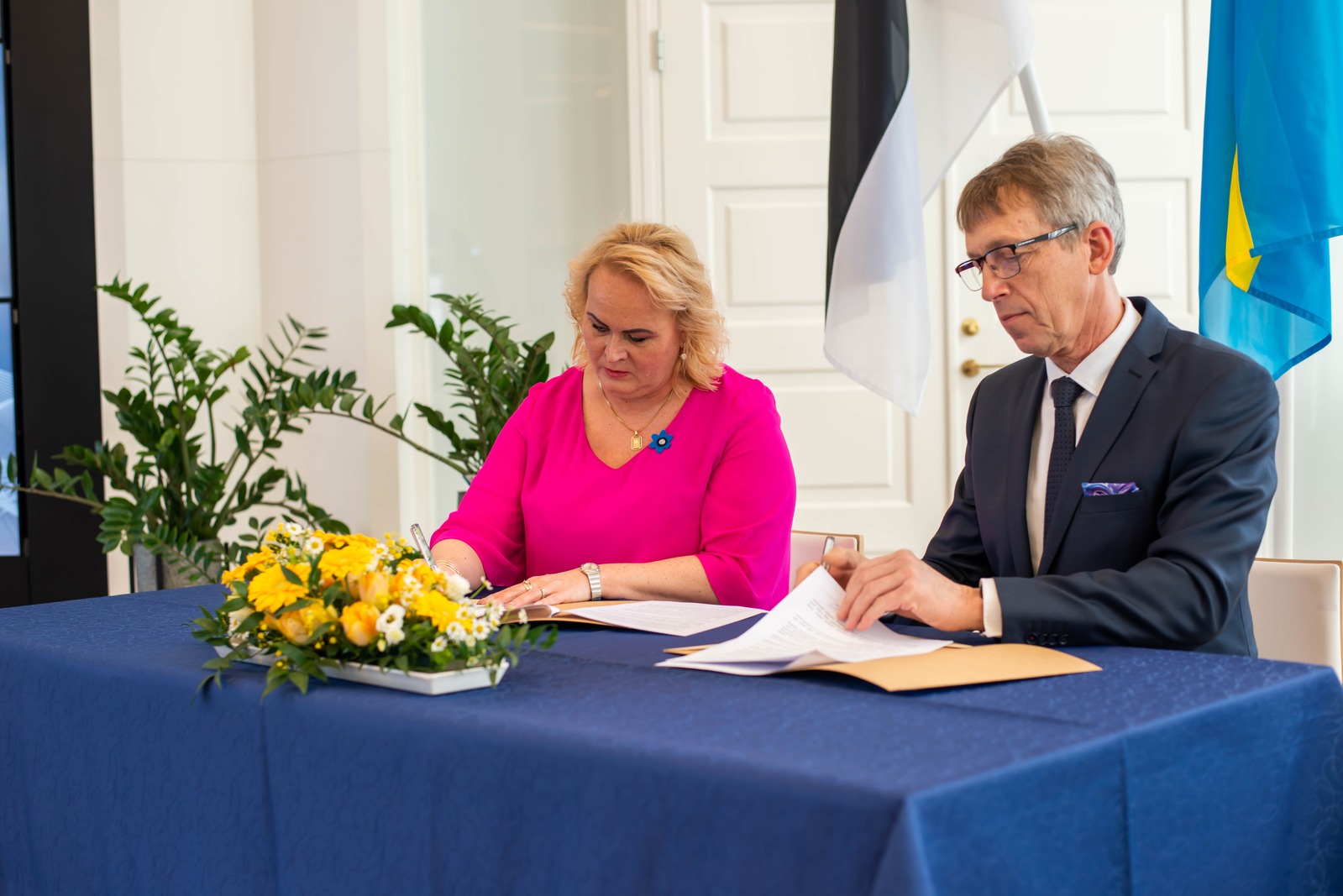
On April 10, Rakvere Mayor Triin Varek and the Director of the Cultural Endowment of Estonia, Margus Allikmaa, signed an agreement to finance the development of the Arvo Pärt Concert Hall.
 
The Cultural Endowment of Estonia will cover 91.3% of the project cost, while the city of Rakvere will fund the remaining 8.7%, according to the agreement.
 
The city of Rakvere will be allocated an investment grant of up to 21 million euros for the construction of the Arvo Pärt Concert Hall, according to the Council of the Cultural Endowment's decision.

2024

Initially, the planned cultural object of national importance in Rakvere was named after Arvo Pärt. In order for people not to confuse it with the Pärt Center in Laulasmaa, it was decided that the Rakvere house would be named after Ukuaru. The name comes from the “Ukuaru Waltz”, which Arvo Pärt wrote in 1973 for Leida Laius’ film of the same name.

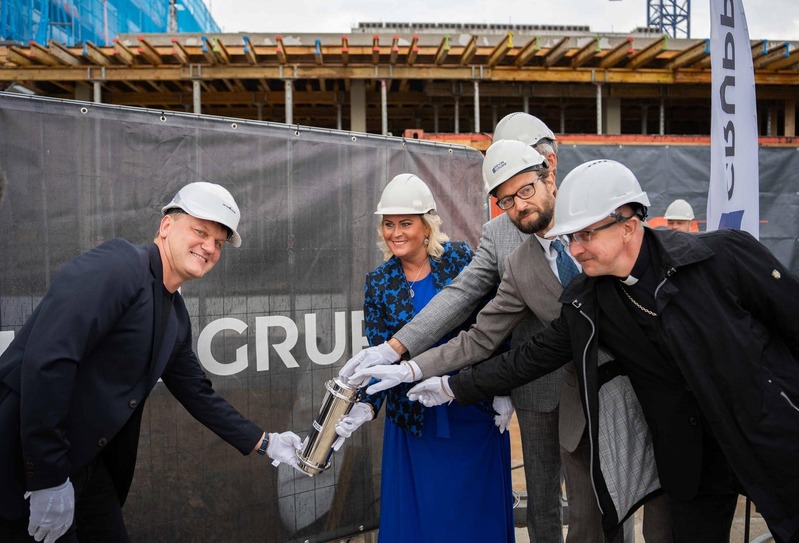
On September 11, the cornerstone of the music house dedicated to Arvo Pärt was laid. The ceremony took place on the 89th birthday of the honorary citizen of the city of Rakvere, maestro Arvo Pärt.

Construction work that began in the winter on the property at Vabaduse tn 4 includes the restoration of St. Paul’s Church and the construction of a new building volume together with an underground parking lot and a square.

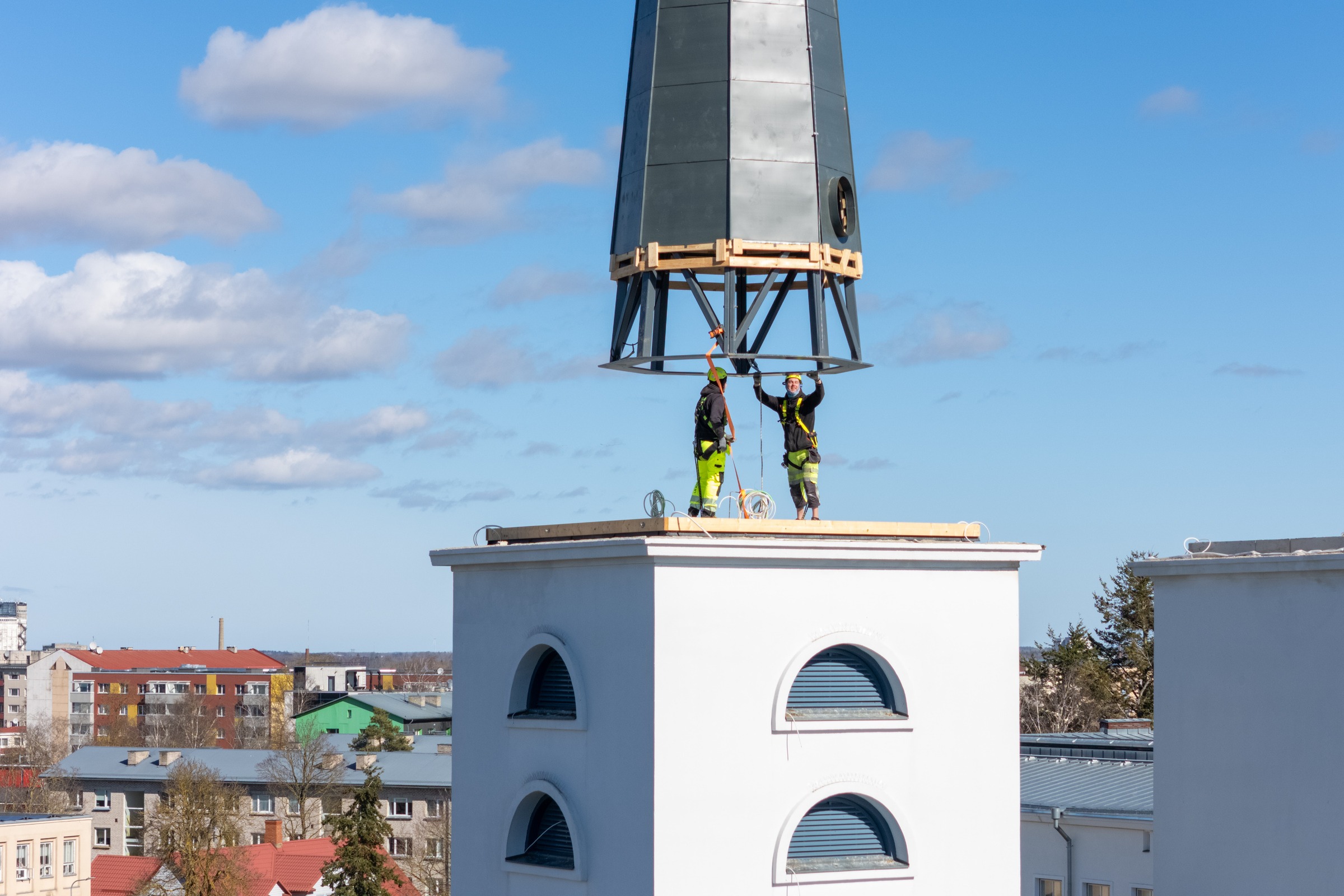
The architectural solution of the concert hall restores the church building designed by architect Alar Kotli, also building out the originally planned spires.

The authors of the architectural solution of the music house are architects Kristiina Aasvee, Kristiina Hussar and Anne Kose.

The building was built by the Rakvere city company Revin Grupp OÜ.

2025

The Ukuaru Concert Hall will receive the church spires planned by Alar Kotli 90 years ago.

2026

The concert hall dedicated to Arvo Pärt opened its doors in January with four festive concerts.